Illustration in progress
The ascent toward Saint-Bonnet-le-Chastel reveals a landscape defined by the unyielding granite of the Livradois horst, where the terrain climbs sharply from the Dolore valley toward the high plateaus. The air at these elevations, reaching over 1,100 meters, carries a crisp, mountain clarity that suits the village’s austere history as a former medieval châtellenie. This wasn’t merely a collection of dwellings but a seat of feudal power, once held by the noble Saint-Bonnet family before being absorbed into the vast domains of the Counts of Auvergne and the illustrious Turenne lineage. The geological reality of the region—steep slopes and dense, contemporary woodland—creates a sense of profound isolation, emphasizing the jagged beauty of the Bouringaud valley.
In the center of the bourg, the Church of Saint-Bonnet stands as a rare and formidable example of Flamboyant Gothic architecture within the Puy-de-Dôme. Constructed during the 15th and 16th centuries, its stone facade and intricate tracery reflect the wealth of its former noble patrons. The interior preserves an ecclesiastical gravity that contrasts with the ruggedness of the surrounding forests. Nearby, the 17th-century Cross of Tyr offers another focal point for reflection, its weathered stone bearing witness to centuries of pilgrimage and the shifting political tides that once saw this parish rebranded as “Bonnet-Libre” during the revolutionary years.
The social fabric of the territory is best understood through its fragmented hamlets, which locals traditionally refer to as “villages” to honor a unique medieval legacy. Each of these settlements, such as Pavagnat or Tyr, is organized around a “coudert”—a communal square where paths intersect and public life once centered. These spaces represent a surviving fragment of a communal property system that dates back to the Middle Ages, where residents shared rights to the surrounding pastures and woods. Walking through these outposts, one notices the distinct rhythm of the high-country architecture, where granite dwellings are built to withstand the rigors of a climate that remains snow-prone and fiercely independent.
Local profile
At a Glance
- Population
- 211
- Demonym
- —
- Altitude
- 653–1122 m
- Forest
- 66.3%
residents
local residents
lowest to highest
commune coverage
Did You Know?
“During the fervor of the French Revolution, the commune renounced its ecclesiastical name to become "Bonnet-Libre," reflecting the radical egalitarianism of the era.”
Cultural Heritage
Protected historic monuments in Saint-Bonnet-le-Chastel
Eglise Saint-Bonnet
Saint-Bonnet-le-Chastel
Recent Wildlife & Flora Log
Nature observations recorded within 5km of Saint-Bonnet-le-Chastel.
Beech
Alder
Meadow Campion
Black-Tailed Skimmer
Azure Bluet
Speckled Wood
Boloria selene (Denis & Schiffermüller) , 1775
American Copper
Large Emerald
Meadow Brown
Trails around Saint-Bonnet-le-Chastel
Discover physical challenges and natural beauty in the immediate vicinity.
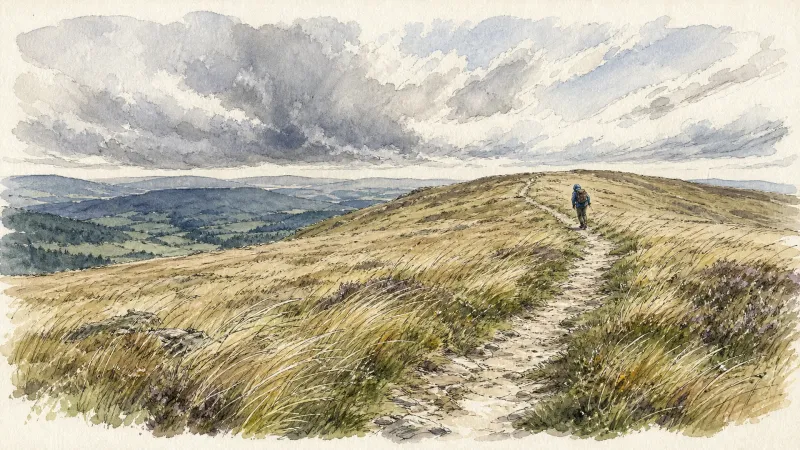
Dore Loop
The Livradois-Forez Regional Natural Park, a land of grassland and woodland, promises a memorable journey between valleys and ridges.
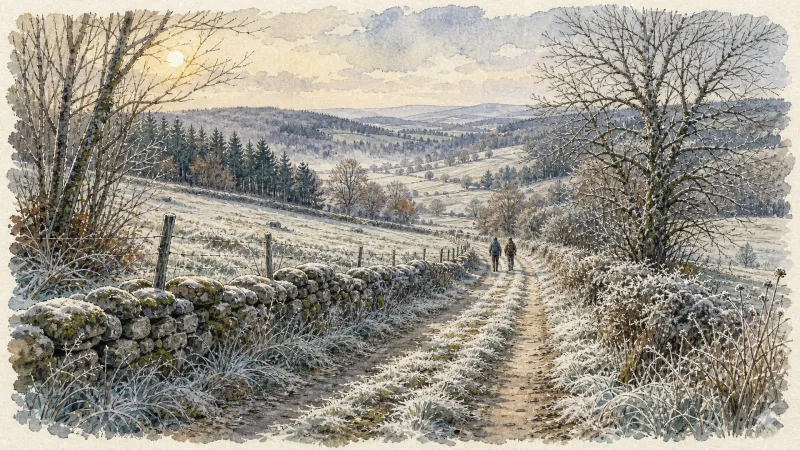
Forez circuit - Discover local skills and crafts (loop no. 6)
This circuit invites you to discover the skills and crafts of the Livradois through the themes of water and nature.
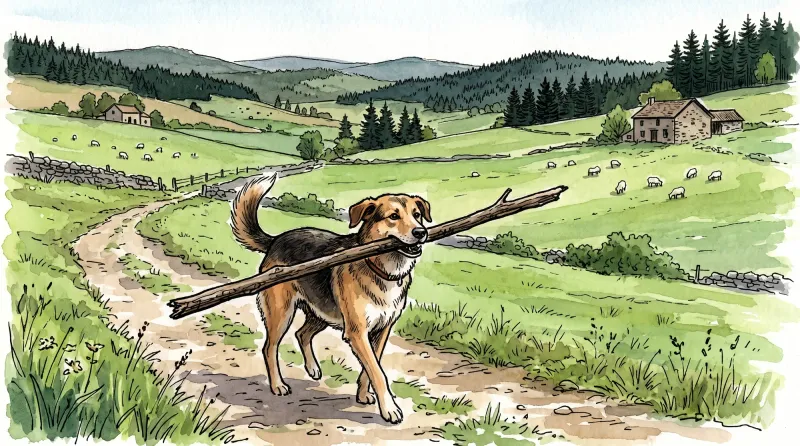
Great Livradois-Forez Mountain-Bike Traverse
In the heart of Auvergne, the Great Livradois-Forez Traverse takes you around the Livradois-Forez Regional Natural Park, between two mountain ranges rising from 400 m to 1,600 m.
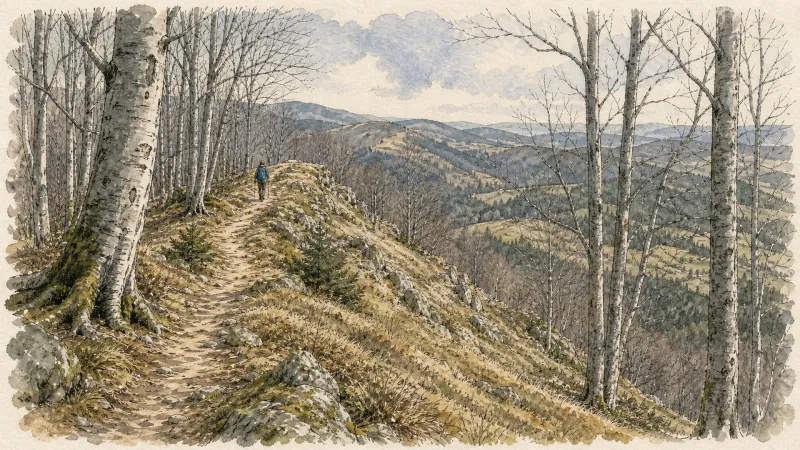
Pont du Roux
After Saint-Bonnet-le-Chastel and its Gothic church, the trail alternates between woodland and pasture. The winding Dolore once powered many mills and continues to carve out gorges. There are numerous views over the Dolore valley.
Explore Nearby
Complement your visit to Saint-Bonnet-le-Chastel by exploring these neighboring villages.
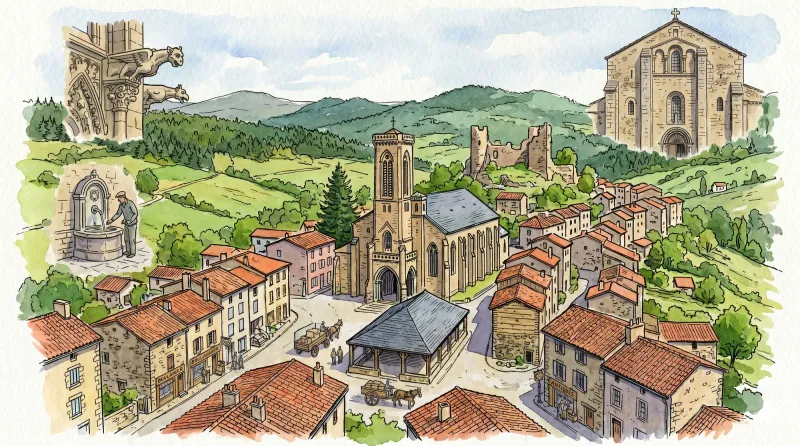
Arlanc
A center of rare optical curiosities and botanical cartography set within a profound geological rift.
Chambon-sur-Dolore
A high-altitude forest sanctuary where Romanesque granite architecture meets the unexpected botanical legacy of the clementine's creator.
Marsac-en-Livradois
A landscape of resilient Gothic architecture and paper-milling history, defined by the strategic waters of the Dore and the scars of 16th-century religious conflict.
Novacelles
A deep-valley sanctuary where 14th-century frescoes and the haunting ruins of a ghost village reveal the ancient spiritual core of the Livradois.
Saint-Bonnet-le-Bourg
A high-altitude sanctuary where the Dore river begins its journey amidst ancient Romanesque stonework and deep monastic forests.