Illustration in progress
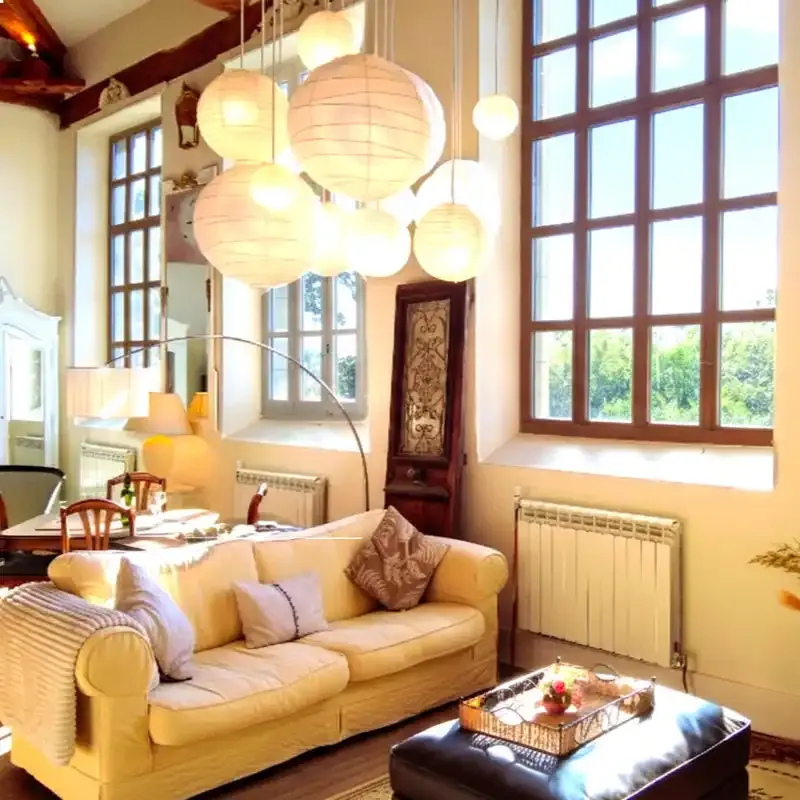
The Senouire river carves a deliberate path through the southern reaches of this territory, lending a liquid rhythm to a landscape defined by its topographical extremes. Rising from the riverbanks at 467 meters to cresting ridges at 766 meters, the terrain demands a certain respect for its verticality. Here, the traditional village center dissolves into a collection of scattered hamlets—Aubagnat, Fiossat, and Le Chariol—where the local granite and timber reflect an architectural stoicism born of necessity. The air carries the scent of the dense forests that claim nearly half the land, creating a sense of isolation that feels both intentional and timeless for an afternoon’s detour.
History in these hills is not merely found in ancient stone but in the profound echoes of the twentieth century. The local Museum of Resistance and Deportation serves as a somber anchor, documenting the life and ultimate sacrifice of Joseph Lhomenède. A former mayor and tireless member of the internal Resistance, Lhomenède’s legacy permeates the commune, reminding visitors that these quiet valleys once pulsed with the dangerous energy of clandestine operations. The transition from the rural tranquility of the surrounding fields to the weight of these historical records offers a jarring, necessary perspective on the enduring spirit of the Haute-Loire.
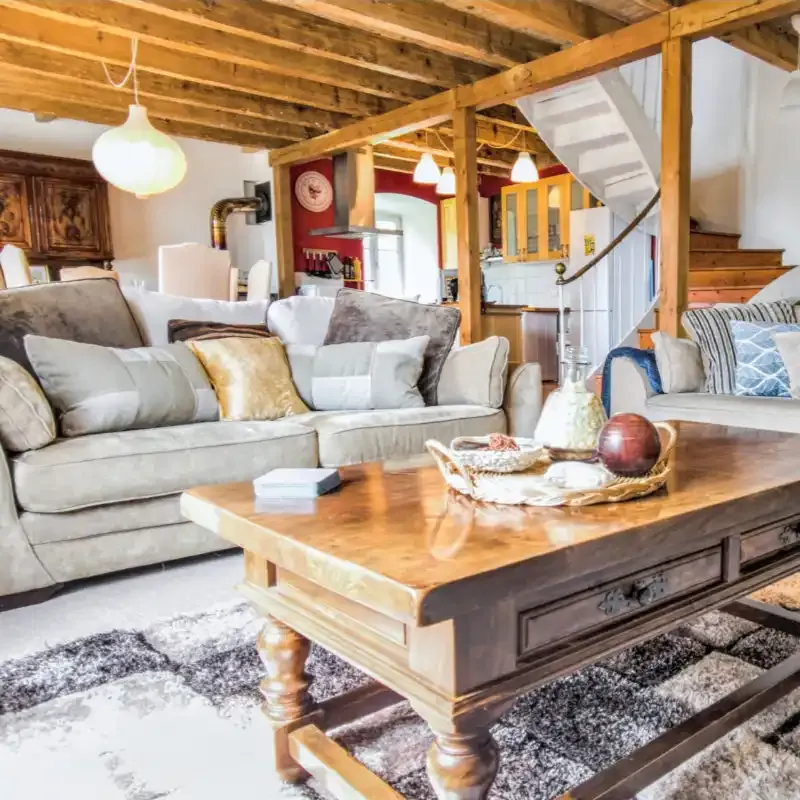
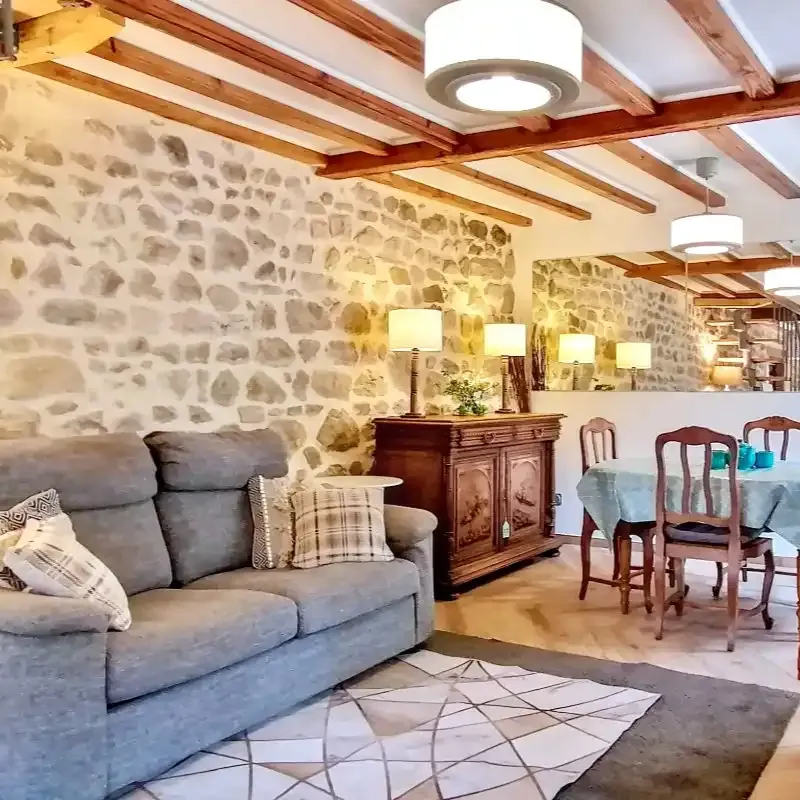
To wander through the hamlet of Le Chariol is to observe the specific geometry of a “very dispersed habitat,” a classification that captures the quiet elegance of these isolated homesteads. The light shifts across a mosaic of prairies and deep woods, illuminating the sharp lines of farmhouses that have remained largely unchanged in their distribution since the eighteenth century. This is a destination for those who appreciate the nuance of a landscape that does not clamor for attention, but rather reveals itself in the subtle textures of dry-stone walls and the shifting shadows of the pines that gave the commune its name.
Local profile
At a Glance
- Population
- 185
- Demonym
- —
- Altitude
- 467–766 m
- Forest
- 45.2%
residents
local residents
lowest to highest
commune coverage
Did You Know?
“The commune was led by Joseph Lhomenède, a socialist mayor and pivotal Resistance leader who was tragically deported in 1944, leaving a profound mark on the local identity.”
Cultural Heritage
A quiet village with authentic Auvergne charm.
Recent Wildlife & Flora Log
Nature observations recorded within 5km of Frugières-le-Pin.
Carex montana L.
Great Peacock Moth
Autumn Crocus
Glanville Fritillary
Winged Greenweed
Phyteuma spicatum L.
Common Teasel
Spiny Toad
Brown-breasted Hedgehog
Silver-washed Fritillary
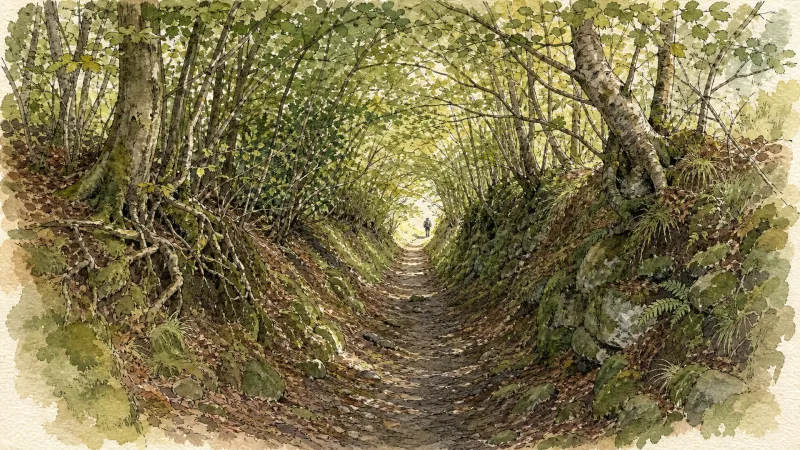
Trails around Frugières-le-Pin
Discover physical challenges and natural beauty in the immediate vicinity.
Explore Nearby
Complement your visit to Frugières-le-Pin by exploring these neighboring villages.
Chaniat
A contemplative detour into the forested uplands of Haute-Loire, where ancient Roman routes and Romanesque masonry endure.
Javaugues
A quiet enclave of the Brivadois, where Visigothic architectural echoes and 15th-century stonework punctuate a landscape of dense woodland and high meadows.
Lavaudieu
A consecrated valley where the only intact Romanesque cloister in Auvergne stands alongside a river that once mirrored the silent lives of Benedictine monials.
Saint-Didier-sur-Doulon
A vertical landscape of dense forests and feudal stone, where the Doulon river flows beneath the gaze of the monumental Château de Servières.
Saint-Préjet-Armandon
A high-altitude sanctuary of dense forest and medieval history, offering a quiet afternoon of exploration among the rugged textures of the Haute-Loire.
Vals-le-Chastel
A silent sentinel of stone and timber, this ancient feudal site offers a quiet immersion into 15th-century Auvergne through its fortified chapel and haunting medieval frescoes.