Illustration in progress
Rising from the valley floor to elevations exceeding 1,200 meters, Champétières is defined by a verticality that dictates its very soul. The landscape is dominated by a dense, emerald canopy that covers over seventy percent of the territory, a sprawling forest of fir and beech that absorbs sound and softens the light. Across this high-altitude expanse, human presence is felt through a fractured geography of ancient hamlets, where granite walls stand as silent witnesses to a rural rhythm that has remained largely unchanged for centuries. The air here carries the cool, sharp clarity of the Massif Central’s mountain margins, offering a sensory contrast to the softer lowlands.
The spiritual heart of the commune is etched in the dark, weathered stone of its two fifteenth-century churches. Saint-Sébastien anchors the center with its deliberate, austere lines, guarding a seventeenth-century retable that serves as a masterclass in baroque craftsmanship. A short distance away, the sanctuary of Notre-Dame-de-Mons commands a site of devotion that predates the current masonry by four hundred years. This location, a focal point for pilgrims since the eleventh century, possesses an atmospheric weight where the architecture of the Late Middle Ages seems to grow directly from the sacred soil of the hillside, overlooking the scattered dwellings of the Livradois.
Secular authority once radiated from the Château du Bouy, a sixteenth-century maison forte that occupies the footprint of an even older medieval stronghold. Its silhouette provides a stark reminder of the region’s defensive past, where nobility sought security within thick masonry and strategic vantage points. To wander through the surrounding hamlets, such as Jarsaillon or Thiolières, is to observe a delicate balance between the encroaching wilderness and the enduring legacy of human habitation. The texture of the landscape—a mosaic of high-altitude prairies and jagged timberlines—invites a slow, deliberate observation of the noble ruins and surviving farmsteads that define this rugged corner of the Auvergne.
Local profile
At a Glance
- Population
- 282
- Demonym
- Champetiérois
- Altitude
- 534–1205 m
- Forest
- 71.8%
residents
local residents
lowest to highest
commune coverage
Did You Know?
“Notre-Dame-de-Mons has been a site of spiritual pilgrimage since the 11th century, centuries before its current 15th-century stone structure was even conceived.”
Cultural Heritage
Protected historic monuments in Champétières
Eglise Notre-Dame-de-Mons
Champétières
Château du Bouy
Champétières
Eglise Saint-Sébastien
Champétières
Recent Wildlife & Flora Log
Nature observations recorded within 5km of Champétières.
Bloody-butcher
Liparus coronatus (J.A.E.Goeze, 1777)
House Centipede
Western Green Lacerta
Red-Belted Bracket
Orthotrichum Hedw.
Watercress
Linaria repens (L.) Mill.
Livid Soldier Beetle
Celandine
Trails around Champétières
Discover physical challenges and natural beauty in the immediate vicinity.
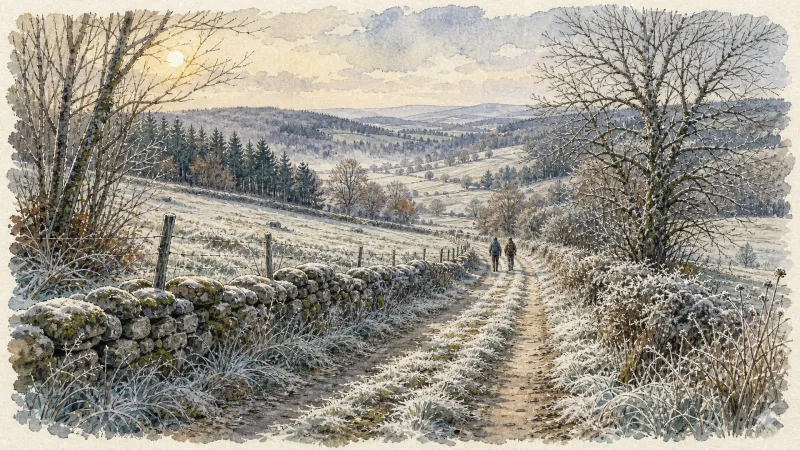
Forez circuit - Discover local skills and crafts (loop no. 6)
This circuit invites you to discover the skills and crafts of the Livradois through the themes of water and nature.
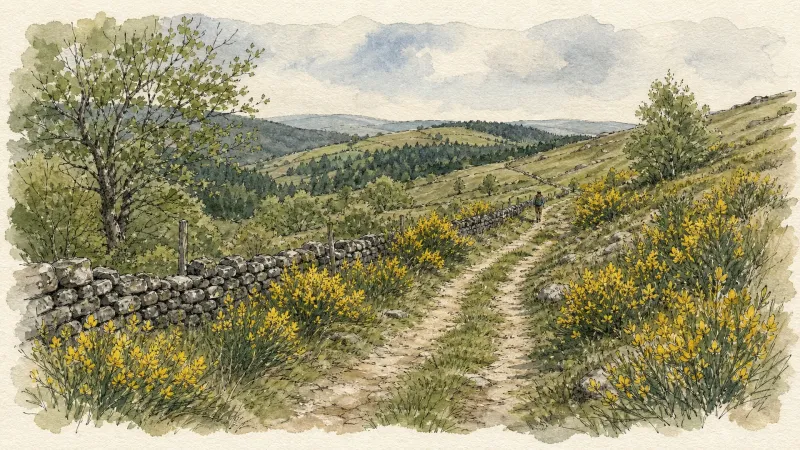
Circuit n°25 Les Bords de Dore
Discover this trail through the heart of Livradois-Forez.
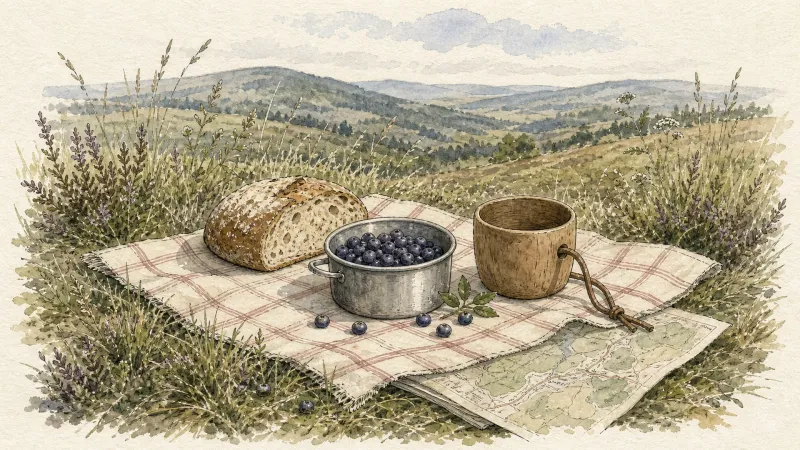
Circuit n°27 Les balcons
Discover this trail through the heart of Livradois-Forez.

Circuit n°29 Les côtes du Livradois
Discover this trail through the heart of Livradois-Forez.
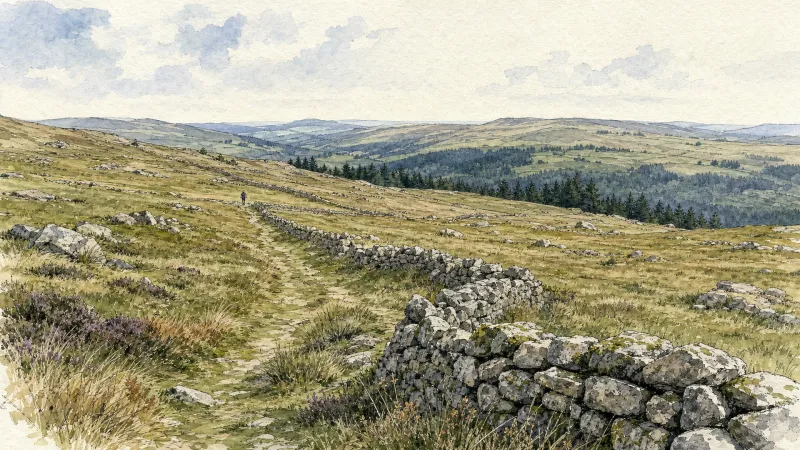
Circuit n°30 Au-dessus d’Ambert
Discover this trail through the heart of Livradois-Forez.
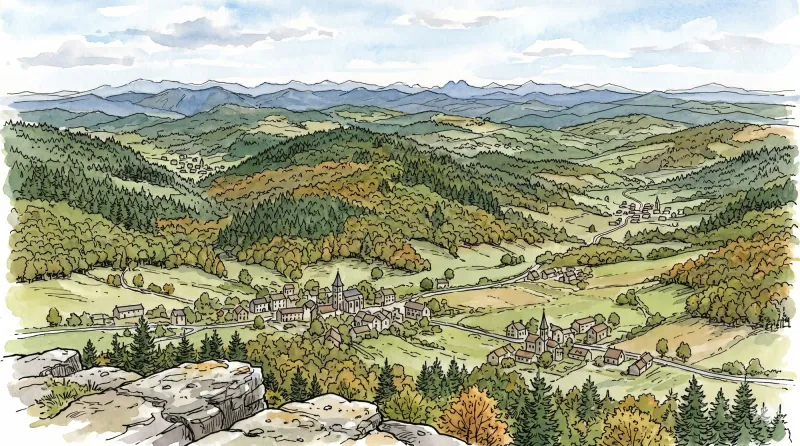
Circuit n°35 Balade en Livradois
Discover this trail through the heart of Livradois-Forez.
Explore Nearby
Complement your visit to Champétières by exploring these neighboring villages.
Chambon-sur-Dolore
A high-altitude forest sanctuary where Romanesque granite architecture meets the unexpected botanical legacy of the clementine's creator.
Le Monestier
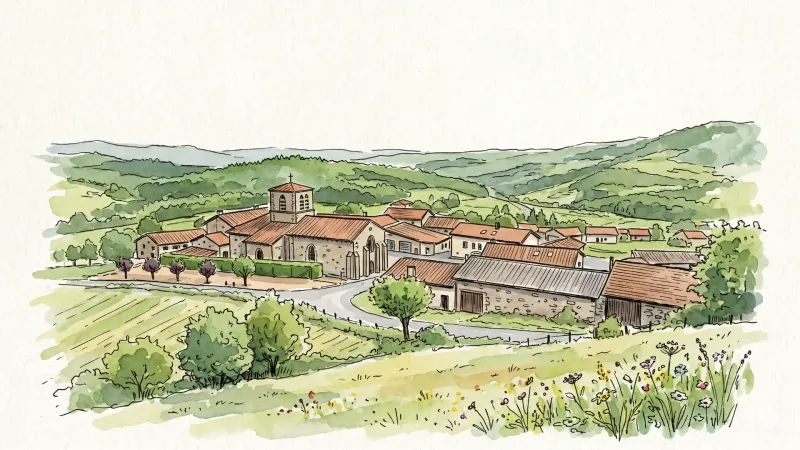
A high-altitude sanctuary of granite and timber, where the literary ghosts of Henri Pourrat wander through mist-laden forests and 15th-century stone.
Marsac-en-Livradois
A landscape of resilient Gothic architecture and paper-milling history, defined by the strategic waters of the Dore and the scars of 16th-century religious conflict.