Illustration in progress
The history of Bulhon is inextricably bound to the knightly families that carved their identity into this landscape as early as the eleventh century. Pierre de Bulhon, first of the line in 1060, established a legacy that would see the territory transition from a feudal stronghold to a royal provostship by 1319. The soil here carries the weight of these centuries, where the ancient stone of the Forest lordship once commanded the surrounding meadows. Visitors today encounter a terrain where the skeletal remains of medieval authority have been absorbed into the quiet rhythm of rural life, yet the noble echoes of Pétronille du Chambon and the Count of Auvergne still linger in the historical record of this dispersed settlement.
In the twilight of the Ancien Régime, the village underwent a radical aesthetic transformation under the direction of the Marquis de Vendègre. In 1787, mere years before the tremors of the Revolution would upend the social order, the architect Attiret was commissioned to replace the aging feudal residence with a structure reflecting Enlightenment sensibilities. This architectural pivot saw the stark, defensive lines of the past give way to the more measured, neoclassical proportions of the late eighteenth century. Though the subsequent revolutionary seizure and auctioning of the estate in 1794 fractured the Marquis’s grand vision, the surviving masonry continues to serve as a poignant monument to an era of transition and lost aristocratic ambition.
Wandering through the commune’s disparate hamlets, one observes a landscape defined by an eighty-three percent agricultural imprint, where expansive prairies meet the encroaching density of the forest. The climate, a rigorous blend of oceanic reaches and mountain influences, dictates a sensory experience of sharp, clear air and shifting light across the undulating fields. The granite textures of the village hall and the residual ruins of the various lordships offer a tactile connection to the region’s complex administrative past. It is a place for slow observation, where the intersection of the Dore and Allier valleys creates a backdrop of stoic, enduring permanence far removed from the hurried pace of modern urbanity.
Local profile
At a Glance
- Population
- 607
- Demonym
- Bulhonois
- Altitude
- 317–383 m
- Forest
- 12.1%
residents
local residents
lowest to highest
commune coverage
Did You Know?
“The village's grandest manor was rebuilt just two years before the French Revolution, only to be confiscated and sold as national property in 1794.”
Cultural Heritage
Protected historic monuments in Bulhon
Eglise Saint-Vital et Saint-Agricol
Bulhon
Château de Bulhon
Bulhon
Recent Wildlife & Flora Log
Nature observations recorded within 5km of Bulhon.
Comma
English Ivy
Fig Buttercup
Joseph and Mary
Bird's-eye
Lamium purpureum L.
Common Pheasant
Purple Toothwort
Beaver
Moschatel
Trails around Bulhon
Discover physical challenges and natural beauty in the immediate vicinity.
Découverte de Randan et Maringues (circuit route n°28)
Discover this trail through the heart of Livradois-Forez.
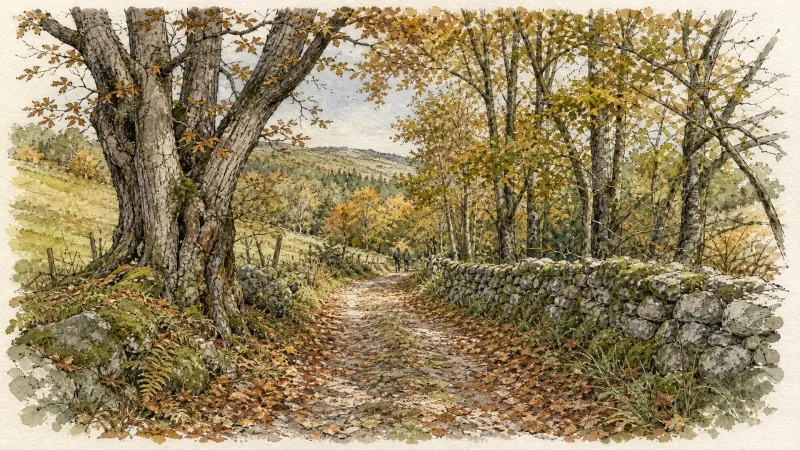
Entre Dore et Allier (circuit route n°1)
Discover this trail through the heart of Livradois-Forez.
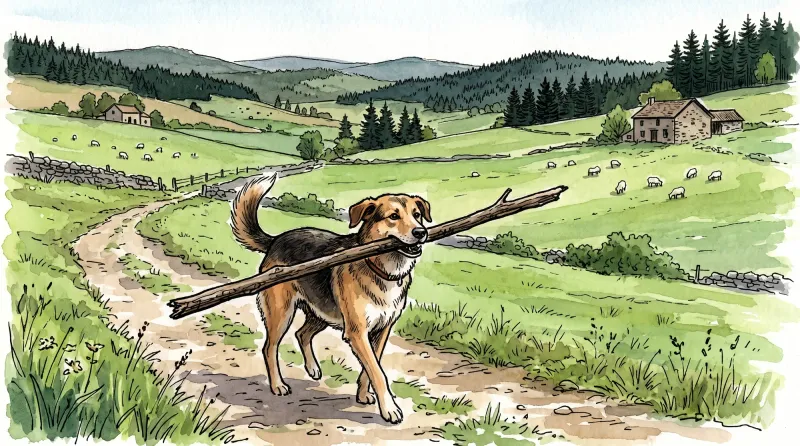
The Beau Pommier Walk
This 8.8 km loop starts and finishes at Bulhon, with 48 m of ascent and an estimated duration of 2 hr 30 min.
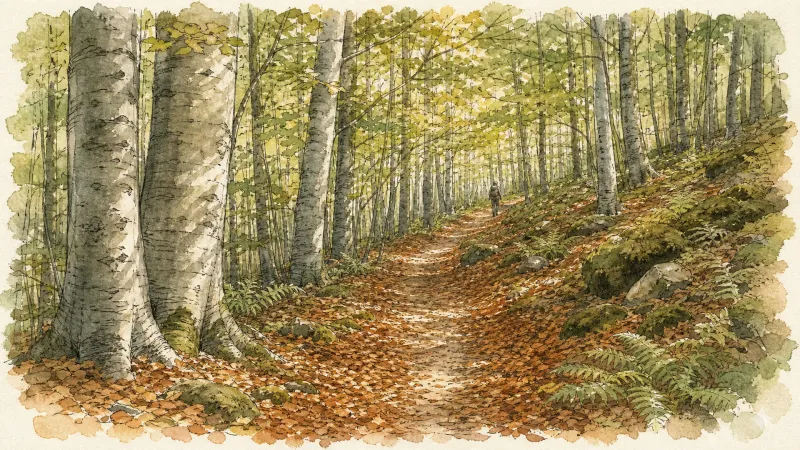
The Girauds-Faures Dunes
This walk leads to the continental dunes, a heritage site unique in Europe and designated as a Natura 2000 site.
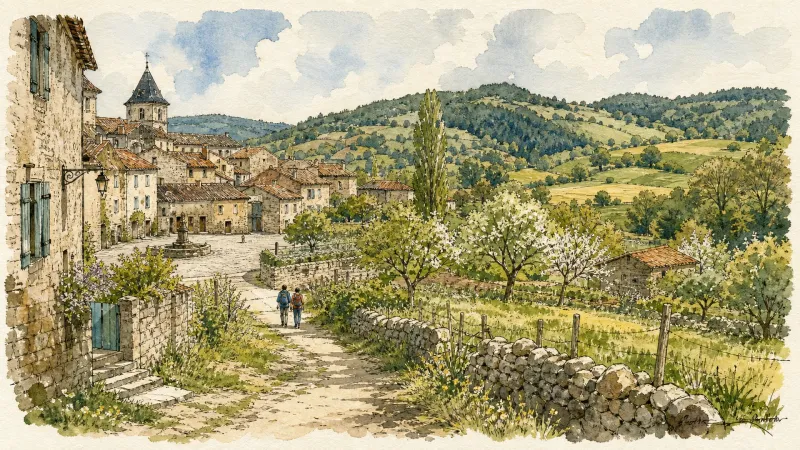
Vers la plaine de la Limagne (circuit route n°27)
Discover this trail through the heart of Livradois-Forez.
Explore Nearby
Complement your visit to Bulhon by exploring these neighboring villages.
Crevant-Laveine
A landscape of architectural "folies" and silent memorials, where Enlightenment-era grandeur meets the rural stillness of the Limagne plains.
Orléat
A landscape of ancient river confluences, where Romanesque frescoes and rare continental dunes meet the creative pulse of contemporary sculpture.