The village rises abruptly from a volcanic pedestal, a vertical defiance against the Allier valley below. As one traverses the narrow, winding calades, the grit of the arkose stone underfoot recounts a thousand years of fortification and strategic vigilance. The Porte du Brugelet, a formidable 14th-century gate, remains a heavy stone sentinel to the town’s former status as an impenetrable sanctuary. Here, the architecture is not merely decorative but structural, a manifestation of medieval power carved into the very basalt and granite of the Auvergne landscape, where every turn of a corner reveals a new texture of weathered masonry or a narrow slit window designed for a bowman’s eye.
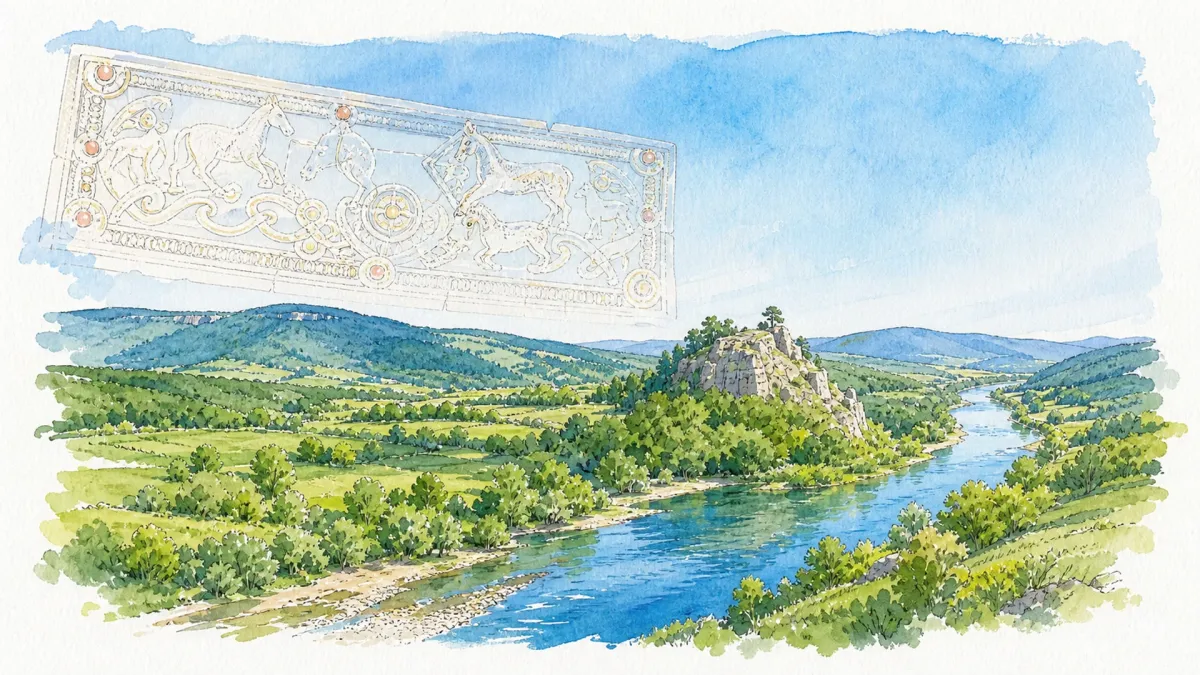
At the town’s highest zenith sits the Collégiale Saint-Laurent, an 11th-century Romanesque masterpiece that anchors the local skyline. Its proportions are austere yet inherently graceful, featuring a southern porch where the capitals depict a vivid, stone-carved bestiary of lions and intricate foliage. Within its cool, silent nave, the shadows evoke the era of the Auzon Casket—that enigmatic whalebone relic of Anglo-Saxon origin that once rested within this very treasury. The subtle interplay of light through the clerestory windows illuminates the remnants of medieval frescoes, revealing a sophisticated religious heritage that flourished with quiet intensity far from the metropolitan centers of the Middle Ages.
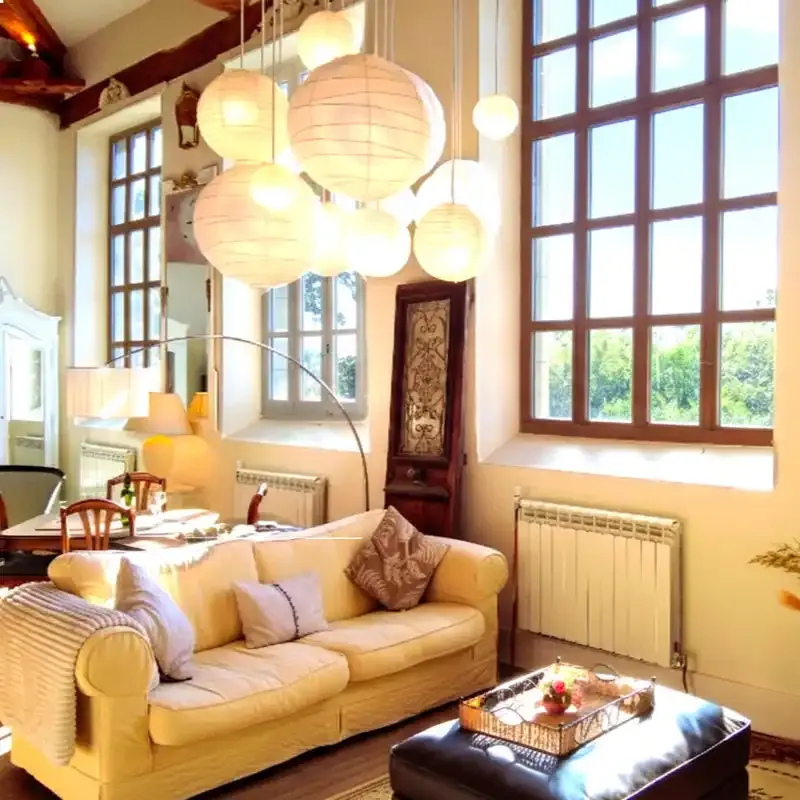
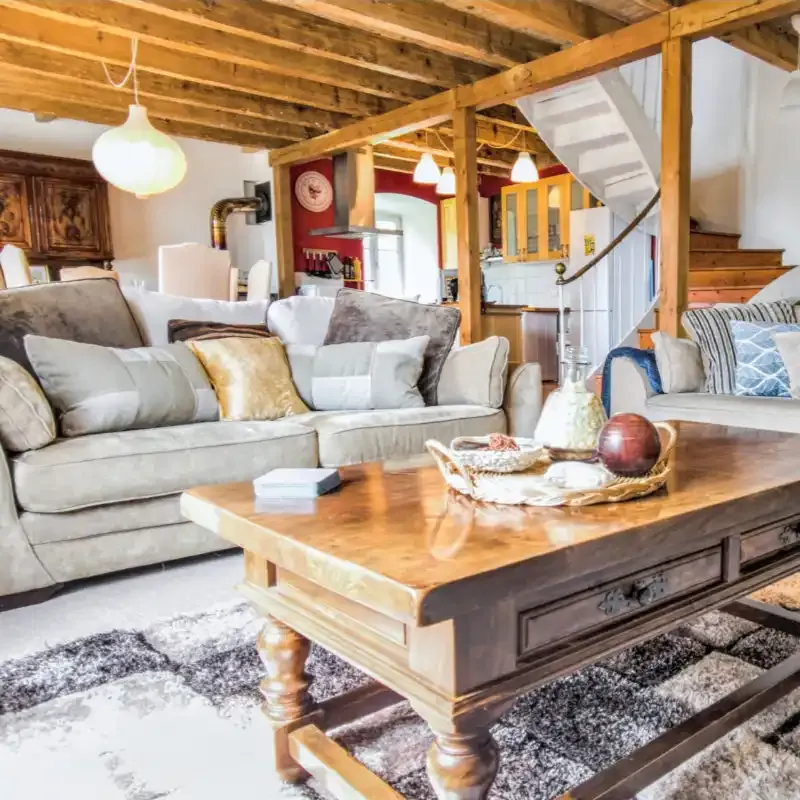
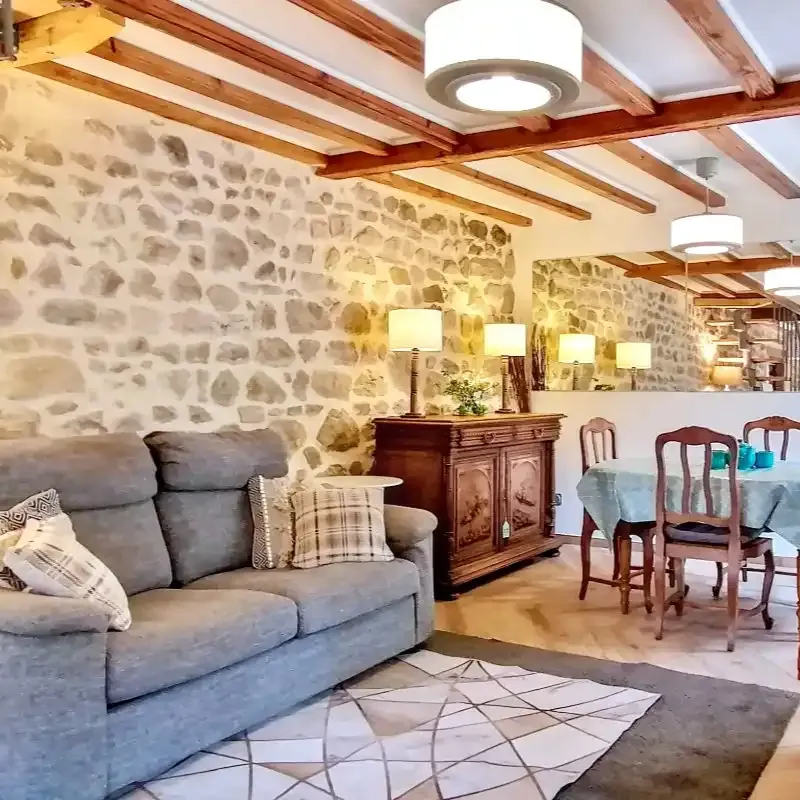
Beyond the ecclesiastical shadows, the remains of the Château d’Auzon speak to the secular might of the local lords who once commanded these heights. The ruins now merge seamlessly with private habitations, creating a layered tapestry of domestic life and military history. From the preserved rampart walks, the gaze is drawn outward to the Allier river, a silver thread winding through the plain, and the distant, hazy silhouettes of the Livradois mountains. This is a destination for slow observation, where the tactile history of weathered timber and iron-studded doors invites an afternoon of quiet contemplation before returning to the secluded comfort of your rented estate.
Local profile
At a Glance
- Population
- 889
- Demonym
- Auzonnais
- Altitude
- 393–755 m
- Forest
- 25%
residents
local residents
lowest to highest
commune coverage
Did You Know?
“The village is the namesake of the "Auzon Casket" (Franks Casket), a 7th-century whalebone box carved with Anglo-Saxon runes and pagan-Christian imagery, once held in the local church treasury before finding its way to the British Museum.”
Cultural Heritage
Protected historic monuments in Auzon
Porte du Brugelet
Auzon
Château et fortifications
Auzon
Halles
Auzon
Eglise Saint-Laurent
Auzon
Recent Wildlife & Flora Log
Nature observations recorded within 5km of Auzon.
Collared Dove
Round-Leaved Crane's-Bill
Heath Spotted-Orchid
Lución
Apetalous sandwort
Facelia
Lamium album L.
Barnyard Grass
Alfalfa
Caper Spurge
Trails around Auzon
Discover physical challenges and natural beauty in the immediate vicinity.
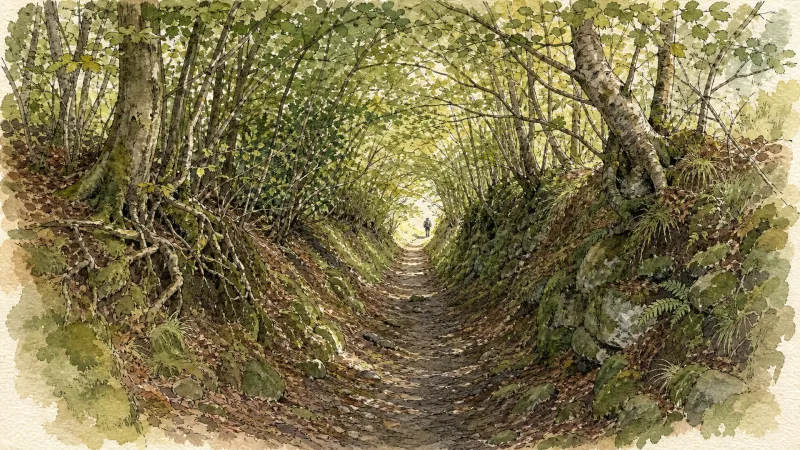
Tour du Haut-Livradois et Abbayes (circuit route n°20)
Discover this trail through the heart of Livradois-Forez.
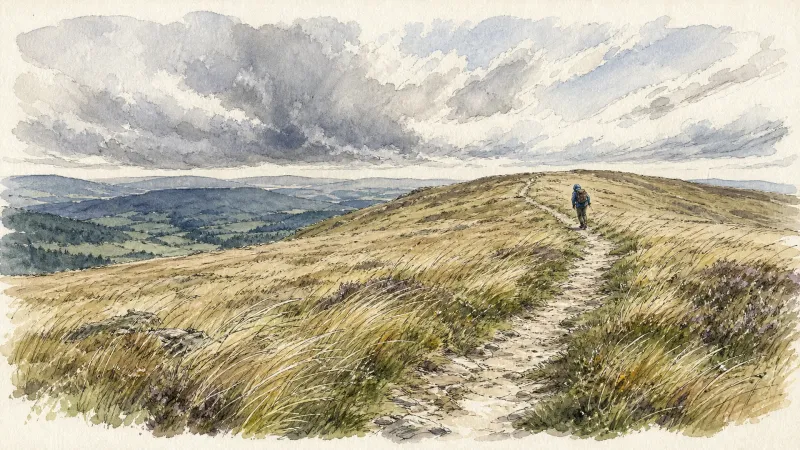
Via Allier (V70), from Vichy to Langeac
The route follows the Allier for 455 km, from its confluence with the Loire near Nevers to Langogne in Lozère, close to its source. Auvergne’s cycle route begins near the celebrated Bec d’Allier, where the Allier meets the Loire and Via Allier meets the Loire à Vélo. It follows the river southwards through countless treasures to the upper Allier gorges, near the source hidden in the Cévennes mountains.
Explore Nearby
Complement your visit to Auzon by exploring these neighboring villages.